
Can You Burn Coal in a Wood Stove?
The Essential Guide for Virginia Homeowners (and Beyond)
Key Takeaways / TLDR
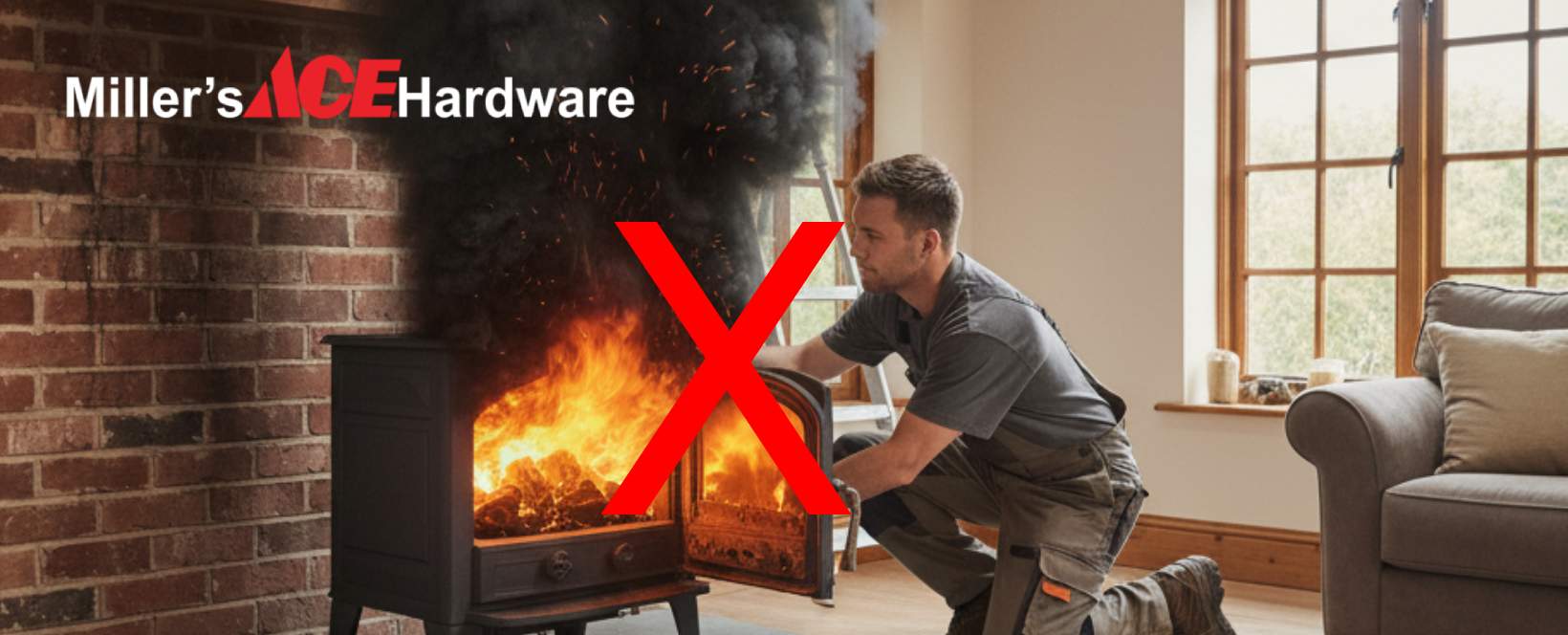
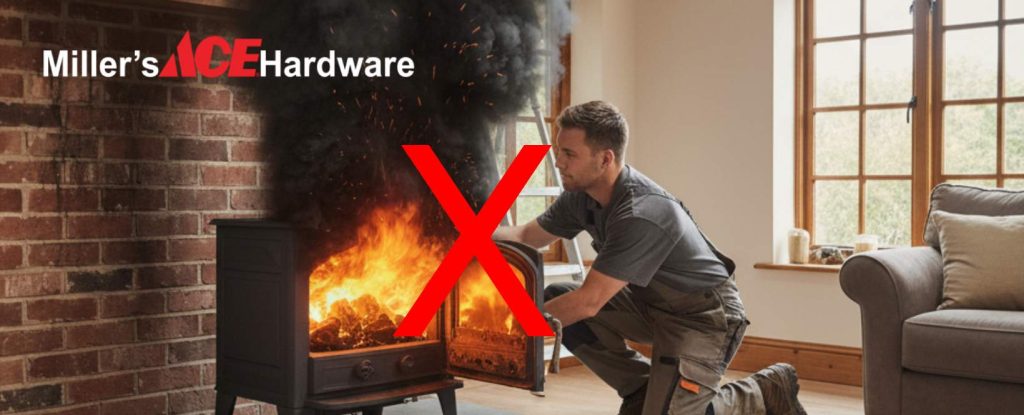
Can you burn coal in a standard wood stove? The short, direct answer is No, you should not burn coal, including house coal or most smokeless fuels, in a standard wood-burning stove. Doing so can cause serious, even catastrophic, damage to your stove, void its warranty, and create significant safety hazards due to excessive heat and corrosive byproducts. You must have a stove explicitly rated as a “Multi-Fuel Stove” to safely burn coal.
This comprehensive guide, brought to you by the solid fuel experts at Miller Ace Hardware in Virginia, will explain the critical design differences between wood stoves and multi-fuel stoves, the specific dangers of burning coal improperly, the best practices for solid fuel use, and important local considerations.
What You Need to Know: The Critical Design Difference
To understand why a wood stove shouldn’t burn coal, we have to look at how each fuel combusts and how a stove is designed to support that process. The difference is fundamental and comes down to a matter of airflow and ash management.
Bullet Key Facts:
- Wood Stoves (Log Burners):
- Designed for wood, which combusts most efficiently when air is supplied from above the fuel load (secondary air).
- They typically have a solid, flat firebox floor where wood burns best on a bed of its own ash.
- They are not designed to withstand the significantly higher temperatures that coal combustion produces (Wood max ≈1,600∘F; Coal max ≈2,500∘F to 3,500∘F).
- They lack the features to manage the high volume and corrosive nature of coal ash.
- Multi-Fuel Stoves (Coal Stoves):
- Designed for coal (and often wood), which requires combustion air from both above and below the fuel load.
- They feature a raised, ventilated grate (often “riddling” or shakeable) that allows primary air to be drawn up from underneath the coal bed.
- They include a dedicated, separate ash pan located below the grate to collect the copious ash, preventing it from choking the fire or restricting the essential under-air supply.
- They are constructed from materials specifically rated to handle the intense, prolonged heat and corrosive sulfur content in coal fumes.
Why Burning Coal in a Wood Stove is Dangerous
The dangers of attempting to burn coal in an appliance that is not designed for it are very real, affecting the stove’s longevity and, more importantly, your family’s safety.
- Structural Damage from Overheating: Coal burns significantly hotter and for longer periods than wood. A wood stove’s components, particularly the firebox and internal baffling, are simply not rated for this prolonged, intense heat. This can lead to:
- Warping and cracking of cast iron or steel bodies.
- Melting of internal components, such as air dampers or catalytic converters (if present).
- Premature failure of the entire appliance, often within a single burning season.
- Lack of Airflow Control: Without a grate, coal sits on the flat floor, cutting off the necessary under-air (primary air) needed for efficient combustion. This results in a poor burn, more smoke, and significantly higher levels of hazardous Carbon Monoxide (CO), a colorless, odorless gas that can be lethal.
- Corrosion and Chimney Risk: Coal, especially bituminous (house) coal, contains sulfur. When sulfur burns, it creates corrosive sulfuric acid that can accelerate the degradation of the stove pipe, chimney liner, and even the stove body itself. Furthermore, the higher heat and different particulate matter can affect creosote buildup dynamics, requiring different maintenance than typical for wood.
Selecting the Right Appliance: Wood Stove vs. Multi-Fuel Stove
When you are purchasing a solid fuel appliance, knowing the manufacturer’s rating is the most crucial step. Never assume an appliance can handle all solid fuels.
|
Feature |
Standard Wood Stove |
Multi-Fuel Stove |
|
Primary Fuel |
Seasoned Wood Logs (Hardwood or Softwood) |
Wood, Anthracite Coal, Smokeless Coal |
|
Air Supply |
Primarily Secondary Air (from above) |
Primary Air (from below) and Secondary Air (from above) |
|
Firebox Base |
Solid, flat floor (requires an ash bed) |
Raised, ventilated grate (riddling or fixed) |
|
Ash Management |
Must be scooped out manually; designed for low ash volume |
Dedicated, removable ash pan beneath the grate |
|
Max Temperature |
Lower, designed for wood’s BTU output |
Higher, designed to withstand coal’s intense heat |
Expert Insight: “The name tells the story. If it’s a ‘Wood Stove,’ only burn wood. If you want fuel flexibility, you need a ‘Multi-Fuel Stove.’ The construction and airflow are fundamentally different. Trying to force coal into a wood stove is an expensive mistake that compromises safety,” advises a seasoned expert at Miller Ace Hardware.
Step-by-Step for Fuel Use in a Multi-Fuel Stove (If You Own One)
If you own a manufacturer-approved Multi-Fuel Stove, here is a practical guide on how to safely and effectively burn coal.
Step 1: Consult Your Manufacturer’s Manual – Short Line + Why it Matters
Check your stove’s manual and the EPA rating label for approved fuel types. This is non-negotiable for safety and warranty protection. Use Anthracite Coal or approved Smokeless Fuel—these burn cleaner, hotter, and with less corrosive sulfur than traditional Bituminous House Coal, which is often discouraged for indoor residential use.
Step 2: Establish a Hot Wood Bed – Short Line + Example
Coal is notoriously difficult to light directly. Start a normal wood fire using clean newspaper and dry kindling, progressing to small pieces of dry, seasoned wood. You need a 3-4 inch thick bed of glowing, red-hot wood coals before introducing the coal.
Step 3: Introduce Coal in Thin Layers – Short Line + Example
Once you have the hot bed of coals, add the first layer of coal (no more than 1-2 inches deep) over the wood coals. Do not smother the fire. Leave small gaps for air. Wait 5-10 minutes for the coal to ignite and show a blue flame (this is the coal gas burning). Repeat with another thin layer until you have the desired coal depth (follow your manual’s instructions).
Step 4: Adjust Air Controls and Monitor – Short Line + Example
Once the full coal bed is burning, close the secondary air (air from above) and control the burn rate almost entirely with the primary air control (air from below the grate). Anthracite coal burns best with a steady, restricted air supply. Monitor your stove thermometer closely—never allow your stove to “overfire” (get excessively hot, often indicated by the metal glowing red).
Step 5: Shake the Grate (Riddling) and Manage Ash – Short Line + Example
Coal produces significant ash, which insulates the fire and blocks the primary air. Use the riddling mechanism (shaking grate) twice a day or as needed to allow the fine ash to fall into the ash pan. Only shake until you see the first red specks of coal fall into the ash pan. Stop immediately. Never let the ash pan touch the grate above it—this can cause the grate to overheat and warp.
Safety First: Carbon Monoxide and Maintenance
Whether you burn wood or coal, safety must be your top priority. The difference in fuel types highlights the importance of specific safety and maintenance routines.
The Non-Negotiable Safety Checklist
- Install and Test Detectors: You must have working smoke alarms and Carbon Monoxide (CO) detectors on every level of your home, especially near the stove. Coal combustion, particularly if incomplete, can produce high levels of CO. Test them monthly and replace batteries semi-annually.
- Professional Inspection: Have your chimney and flue system professionally inspected and cleaned annually. Coal exhaust contains corrosive sulfur and different particulate matter, requiring specialized attention to prevent blockages or deterioration.
- Keep Clearances: Maintain the manufacturer’s required minimum clearances between the stove and all combustible materials (walls, furniture, etc.). A coal fire’s extreme heat makes this even more critical.
Solid Fuel in Virginia
For homeowners in Virginia, solid fuel use often comes with specific local considerations, from building codes to fuel availability. Contact us for any fuel recommendations for your stove.
Expert Sources & Further Reading
For more in-depth information, we recommend consulting the following authoritative sources:
- Environmental Protection Agency (EPA): Guidance on operating wood and solid fuel appliances to reduce emissions and improve safety.
- Chimney Safety Institute of America (CSIA): Professional standards and best practices for chimney cleaning and inspection.
- Your Stove Manufacturer’s Owner’s Manual: The single most important resource for fuel selection and safe operation of your specific appliance.
FAQ: Quick Answers on Coal and Wood Burning
Q: Can I burn charcoal briquettes in my wood stove?
A: No. Charcoal briquettes are for outdoor cooking only. They are not safe for indoor heating appliances as they release extremely high levels of deadly Carbon Monoxide (CO) and are not designed for contained home heating systems.
Q: What is the difference between bituminous and anthracite coal?
A: Bituminous (House Coal) is softer, burns with a smoky, yellow flame, and contains high levels of ash and sulfur, making it corrosive and high in emissions—it is generally not recommended for indoor use. Anthracite (Hard Coal) is harder, burns with a clean, blue flame, produces very little smoke or sulfur, and has the highest heat output, making it the preferred and safest choice for residential multi-fuel stoves.
Q: My wood stove has a small grate. Does that mean I can burn coal?
A: Not necessarily. Some wood stoves have a small grate for easier wood ash removal, but it is often insufficient to provide the large amount of primary air required for a true coal fire. Always check the manufacturer’s manual and the stove’s certification plate. If it is not explicitly rated as “Multi-Fuel” or a “Coal Stove,” do not burn coal.
Q: Will burning coal damage my chimney liner?
A: Yes, coal exhaust contains sulfur which, when combined with moisture, forms corrosive sulfuric acid. This can significantly reduce the lifespan of standard stainless steel or masonry chimney liners faster than wood creosote. Multi-fuel systems often require specific, highly durable liner materials to withstand this corrosion.
Ready to Heat Your Home Safely?
Whether you’re looking for the best-seasoned wood, top-quality anthracite coal, or are ready to upgrade to a certified Multi-Fuel Stove, the team at Miller Ace Hardware in Virginia is here to help you make the safest and most informed decision.
Visit us in-store today to consult with our solid fuel experts, view our selection of certified wood and multi-fuel stoves, and pick up your winter heating supplies.
Miller Ace Hardware
Your Trusted Virginia Home Heating Authority
Disclaimer: This guide provides general information. Always consult your appliance’s owner’s manual, follow all local fire and building codes in Virginia, and have your chimney and stove professionally installed and inspected.