

Understanding the Heart of Your Home: What is a Fireplace Hearth?
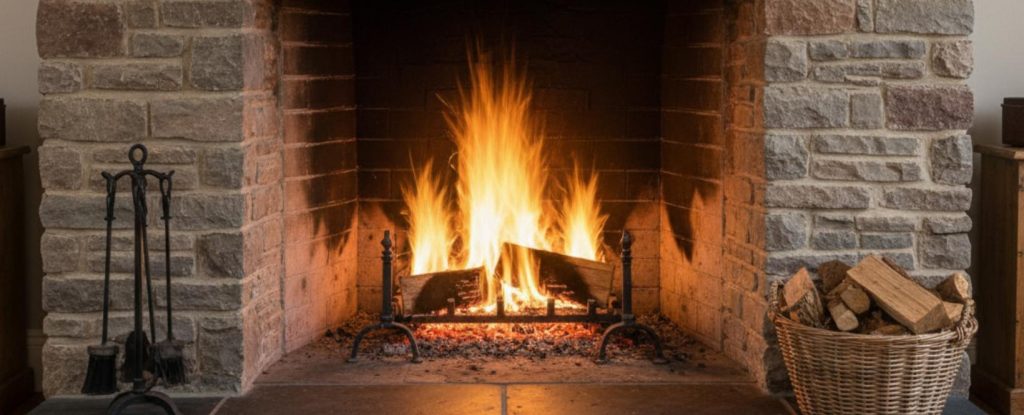
Welcome to the Miller Ace Hardware blog, your local expert serving the community of Stephens City, VA. The fireplace is often the centerpiece of a home, a focal point of comfort and warmth. While the dancing flames and decorative mantel capture the eye, there is one essential component beneath it all that guarantees safety and completes the aesthetic: the fireplace hearth.
More than just a flat piece of stone or brick, the hearth is a fundamental architectural requirement with a history stretching back to the very origins of domestic heating. This comprehensive guide will define exactly what a fireplace hearth is, detail its critical role in fire safety, explore the various materials and styles, and provide practical advice for maintenance.
Key Takeaways
- What is a Fireplace Hearth? A fireplace hearth is the non-combustible floor extending outward from the fireplace opening. In traditional masonry, it also includes the floor inside the firebox. Its main function is fire safety, acting as a crucial barrier to protect the combustible floor and surrounding areas from stray embers, sparks, and intense radiant heat.
- Why is it Necessary? The International Residential Code (IRC) and other local building codes mandate the installation of a hearth extension for any traditional open fireplace or solid fuel-burning appliance (like a wood stove) to prevent accidental house fires.
- What Does a Fireplace Hearth Look Like? A hearth is a solid, level surface typically crafted from fire-resistant materials such as slate, brick, granite, tile, or poured concrete. Visually, it can be raised (projecting up from the floor) or flush (level with the floor), and its size is determined by strict safety minimums based on the size of the fireplace opening.
Defining the Core Element: The Anatomy of a Hearth
The word “hearth” evokes a feeling of home and gathering, which is fitting, as it refers to the area where the very first indoor fires were built. In a modern context, the hearth is divided into two parts, both serving the same goal: thermal and fire protection.
Inner Hearth vs. Outer Hearth
A traditional, masonry fireplace is built with two distinct hearth sections:
- 1. The Inner Hearth (The Firebox Floor): This is the horizontal surface inside the firebox upon which the actual fire is built. It is constructed of high-heat refractory materials, often firebrick, designed to withstand direct, sustained flame and extreme temperatures.
- 2. The Outer Hearth (The Hearth Extension): This is the part that extends into the room, projecting out from the face of the fireplace. When people refer to the “hearth” in common conversation, they are usually talking about this outer extension. It’s the safety barrier that catches rolling logs or stray embers, preventing them from igniting wood floors or carpets.
The design and material of the outer hearth are what provide the primary aesthetic appeal of the fireplace structure.
The Hearth as a Safety Anchor
The most crucial function of the outer hearth is to create a required thermal break. Wood and carpet floors can ignite at relatively low temperatures, especially if repeatedly exposed to high heat (a process called pyrolysis). The non-combustible material of the hearth, often built on a supporting non-combustible slab, prevents the intense heat radiating from the firebox from penetrating the floor structure. This is non-negotiable for safety, which is why its dimensions are not left to chance.
What Does a Fireplace Hearth Look Like? Exploring Materials and Styles
The visual appeal of a fireplace often begins and ends with the hearth. Its appearance is a direct reflection of the materials used and the way it is constructed.
Common Materials for the Hearth Extension
The material must be non-combustible and durable, capable of resisting scratching from fireplace tools and staining from ash and soot.
- Natural Stone: Elegant and timeless, stones like slate (known for its dark, matte finish and excellent heat resistance), granite, and limestone are extremely popular. They provide a high-end, custom look but may require periodic sealing to prevent staining.
- Brick: Classic and versatile, brick can be laid in countless patterns (such as running bond or herringbone) to match either a rustic or contemporary aesthetic. Brick is highly insulating and durable.
- Tile: Large format porcelain or ceramic tiles are used for a clean, modern finish. When using tile, the substrate (the material underneath the tile) must also be non-combustible to satisfy thermal requirements.
- Poured Concrete: For minimalist or industrial designs, a finished slab of poured and sometimes polished concrete offers a sleek, monolithic look.
Construction Styles: Raised vs. Flush
The hearth’s height relative to the floor significantly impacts the room’s design:
- The Raised Hearth: This is the traditional and most common style. The outer hearth projects out and is raised several inches (typically 4 to 8 inches) off the main floor. This height provides a natural, low seating area and a clear, defined boundary that helps keep toddlers and pets away from the immediate danger zone.
- The Flush Hearth: In contemporary design, the outer hearth is set level with the finished floor. This creates a seamless, often minimalist transition, but it requires meticulous construction to ensure the necessary non-combustible slab extends properly beneath the finished flooring material to maintain fire code.
Mandatory Dimensions: Code Requirements for Hearth Extensions
Due to its life-saving function, the size of the hearth extension is strictly defined by building codes based on the size of the firebox opening. These dimensions must be adhered to regardless of the materials you choose.
Measuring Minimum Clearances
The International Residential Code (IRC) stipulates the minimum size for the hearth extension based on the area of the fireplace opening:
- For Fireplace Openings Less than 6 Square Feet (Most Residential): The non-combustible outer hearth must extend at least 16 inches into the room (depth) and must extend a minimum of 8 inches past each side of the fireplace opening (width).
- For Fireplace Openings 6 Square Feet or Larger (Large or Custom Fireplaces): The non-combustible outer hearth must extend at least 20 inches into the room (depth) and must extend a minimum of 12 inches past each side of the fireplace opening (width).
It is vital to understand that the structural base supporting the hearth must also be non-combustible and adequately separated from any combustible floor joists or subfloor. Always consult your local Stephens City building codes before construction or major renovation to ensure compliance.
The Hearth and Freestanding Appliances
The need for a protective, non-combustible base extends beyond traditional open fireplaces to modern appliances like wood stoves and pellet stoves. This required base is usually referred to as a hearth pad or floor protector.
Hearth Pads for Wood Stoves
Wood stoves generate intense heat from their bottom and sides, meaning the floor protection serves not only to catch stray embers when loading fuel but also to prevent the floor beneath the stove from overheating.
- The hearth pad must provide a thermal barrier adequate for the specific stove’s heat output, as certified by the manufacturer.
- The required size of this pad, like the hearth extension, is based on a safety buffer:
- It must extend a minimum of 16 to 18 inches out from the front of the loading door(s) to account for falling ash or rolling wood.
- It must extend at least 6 to 8 inches beyond the sides and back of the stove.
Selecting the right stove and ensuring its proper installation involves meticulous attention to these hearth pad requirements.
- If you are considering heating with a stove, you’ll need to know which is right for your home. You can start with our article: Buying Wood Stoves in Stephens City VA
- For details on the installation process itself, including setting the pad and clearances, read our guide: How To Install Wood Burning Stove
Step-by-Step: How to Clean and Maintain a Fireplace Hearth
The hearth’s function as a protective surface means it will inevitably accumulate soot, ash, and creosote stains. Regular cleaning is essential to maintain its aesthetic appeal and prevent the buildup from becoming permanent.
Tools and Supplies Needed
- Stiff-bristle nylon brush (or a dedicated hearth brush)
- Vacuum cleaner with a hose attachment (a shop vac is ideal)
- Warm water and standard dish soap
- Baking soda (for a gentle abrasive paste)
- Protective gloves and safety glasses
Step 1: Remove Loose Ash and Debris
- Ensure the fire is completely out and the hearth is cool (wait at least 24 hours).
- Use a fireplace shovel to carefully remove the bulk of the ash and charred debris from the inner hearth and place it in a metal container.
- Use your brush and vacuum to sweep and suction all remaining fine ash and dust from the entire outer hearth surface.
Step 2: Prepare Your Cleaning Solution
- For general maintenance cleaning on sealed tile or stone, mix warm water with a few drops of dish soap.
- For heavier soot or grease stains on porous materials like brick or unsealed stone, create a thick paste using baking soda and a small amount of water. This paste provides a mild scrubbing action to lift embedded dirt.
Step 3: Scrub the Stained Areas
- Apply the chosen cleaning solution or paste directly to the stained areas of the outer hearth.
- Using the stiff-bristle brush, scrub the surface firmly. For deep stains or porous materials, you may need to allow the cleaning agent to sit for 5 to 10 minutes to break down the grime before scrubbing.
Step 4: Rinse Thoroughly and Dry
- Using a clean sponge and plain water, thoroughly rinse the entire hearth surface. It is crucial to remove all traces of soap or cleaning paste, as these can leave a residue that attracts more dirt and soot over time.
- Wipe the hearth with a dry towel or allow it to air dry completely.
Step 5: Tackling Creosote and Tar Stains
- Hardened creosote stains (the black, tarry residue from incomplete combustion) are the toughest to remove. For these, you may require a specialized, heavy-duty masonry or creosote remover, which is available at Miller Ace Hardware. Always test these chemical cleaners in an inconspicuous area first to ensure they do not etch or discolor your hearth material.
Frequently Asked Questions (FAQ)
Q: Can I use a regular carpet or rug near my fireplace? A: No. You should only place fire-resistant hearth rugs directly in front of or on the hearth extension. These are made of special materials like fiberglass or treated wool designed to resist burning if they catch a stray spark. Placing a standard, combustible rug near the fire is a hazard.
Q: Does my wood stove get hot enough to damage the floor under the hearth pad? A: Yes, absolutely. Wood stoves can easily reach temperatures where they cause pyrolysis (chemical breakdown) of the wood floor beneath them. A properly rated hearth pad is not only required by code but is also essential to create an adequate thermal barrier to prevent this dangerous heat transfer.
- Want to know more about the heat output? Check out: https://www.milleracehardware.com/how-hot-does-wood-stove-get/
Q: Can I burn coal on my standard brick hearth? A: This depends on the appliance, not the hearth itself. Coal burns at a much higher and more sustained temperature than wood. If your appliance is a standard open fireplace or a wood-only stove, burning coal will likely damage the unit and is extremely unsafe. Always verify that your appliance is specifically rated as a multi-fuel or coal-burning unit before considering using coal.
- For a detailed look at fuel types, see our guide: https://www.milleracehardware.com/can-you-burn-coal-in-wood-stoves/
Q: Is the hearth just for safety, or can I use it for decoration? A: The hearth’s primary role is safety, but its visible surface is an excellent place for decoration. It is the perfect spot for essential fireplace tools, a sturdy fire screen, or non-flammable decorative items like ironwork or ceramics. Just ensure the decorative items do not impede access to the firebox or violate the safety clearances around a wood stove.
Q: Why does my wood stove glass keep getting black, and how is that related to the hearth? A: Blackened glass is usually due to incomplete combustion or wet wood. It is not directly related to the hearth, but keeping the glass clean allows you to monitor the fire’s condition and better use the area around the hearth.
- For cleaning tips, check out: https://www.milleracehardware.com/how-to-clean-wood-stove-glass/
At Miller Ace Hardware in Stephens City, VA, we are here to ensure your fireplace is beautiful, functional, and most importantly, safe. From fire-rated materials and fireplace tools to wood stove accessories, we have everything you need to maintain the heart of your home.